
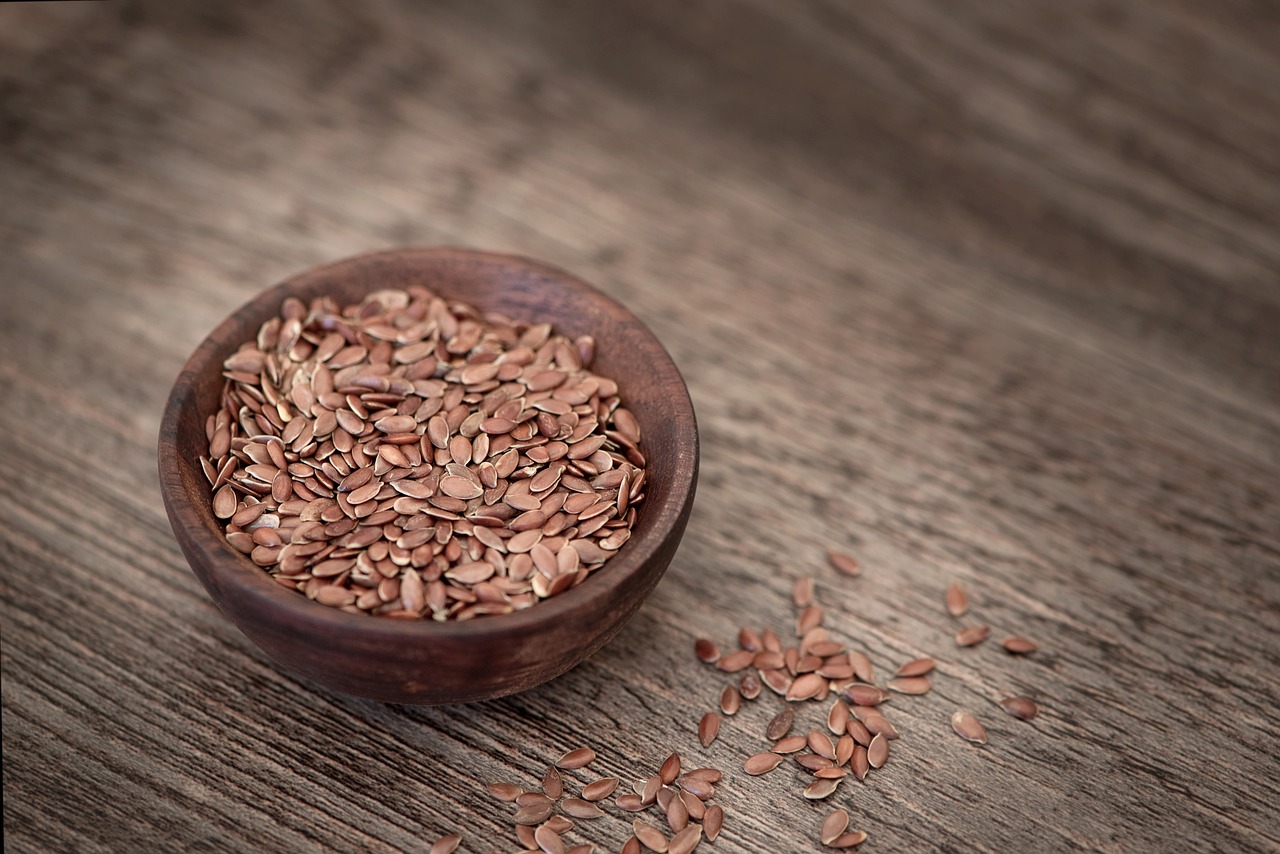
Sunflower, soy, sesame, flax, pumpkin, poppy or chia seeds: what are the best oilseeds for your health and waistline, and in what proportions can you eat them?
We will attempt to answer these questions in this sub-section of the guide on Mediterranean diet, a summary of which can be found here. L'Mediterranean diet has been identified by science as one of the world's healthiest eating habitsThat's why we've decided to take a closer look at this way of eating, and integrate it into the best practices of the Blooness guidethe guide to the ideal diet for human beings, by grafting it onto a low-to-moderate carbohydrate dietwhich is also one of the pillars of this guide to improving health markers, longevity and waist circumference.
As a reminder, oilseeds are generally plants that are cultivated for their contribution in fatsand from which the oil can be extracted. They come in three forms:
- dried oleaginous fruits (almonds, walnuts, hazelnuts, pistachios, etc.), already covered in the previous chapter ;
- oilseeds (rapeseed, sunflower, soy, sesame, linen, hemp, poppy, pine pinion, chia, squash), which we are going to deal with today;
- and fruit expenses oilseeds (lawyer, olive, coconut), typical diet foods low-carbwhich we'll cover in the next chapter.
Oilseeds have a rather singular nutritional compositionwith a content that is generally majority in lipidsa content in proteinsand a carbohydrates more or less moderate depending on the case.
This content is part of the guide Blooness, the guide to the ideal human diet, the summary of which you can find here 🌱🥑
Very nutritionally dense, so consume them in small quantitiesThis does not mean that they are secondary, quite the contrary.
In fact, they have a large number of health benefits, which we have already listed in the introductory chapterincluding :
- beneficial effects on blood glucose ;
- better satiety;
- a reduction in body fat;
- reduced chronic inflammation;
- reduced risk of cardiovascular disease.
However, not all are created equal, and some can be prioritizedThis is especially true in different situations. For example, in the previous chapter, which nuts to choose according to your lifestyle and type of diet. We'll do the same exercise here, but for seeds.
What are these oilseeds?often ignored - not to say non-existent - in the modern diet, What are their virtues, which ones should we choose, and in what situations? Are any of them harmful?
That's what we're going to try to learn in this new chapter reserved exclusively for Blooness members. in which, for each seed, we'll break down and interpret the nutritional information, and give some recommendations in terms of quantities to consume and for which types of diet.
At the end of the chapter, there's a summary table of all the oilseeds, from the best to the worst, with a whole host of criteria, such as net carbohydrate content per 100 grams, saturated fat content, omega-6 / omega-3 ratio to limit inflammation, quantity of fibers and type of phytoestrogens.
In other words, this is high-content content that can be used throughout your diet.
Ready to go? Let's get started!
Premium Membership Required
You must be a Premium member to access this content.
New: Blooness Accelerated Programs
For quick results if you are looking for
lose fat permanently,
maintain stable energy levels throughout the day,
and prevent chronic diseases.
Immediate access to the Premium Guide + all current and future programs
Limited founding rate – will soon increase to €97
 EN
EN  FR
FR  ES
ES  ZH
ZH  PT
PT
One Response
Great article!
Is it also possible to talk about their shelf life (oxidation), as well as how they are consumed (ground/whole)?
I've been able to find some information about flax in particular, and it seems that its seeds need to be ground and can therefore only be kept for a few days in the fridge.
On the other hand, chia seeds can be eaten as they are, making them much more convenient to store for longer.
Thank you.