
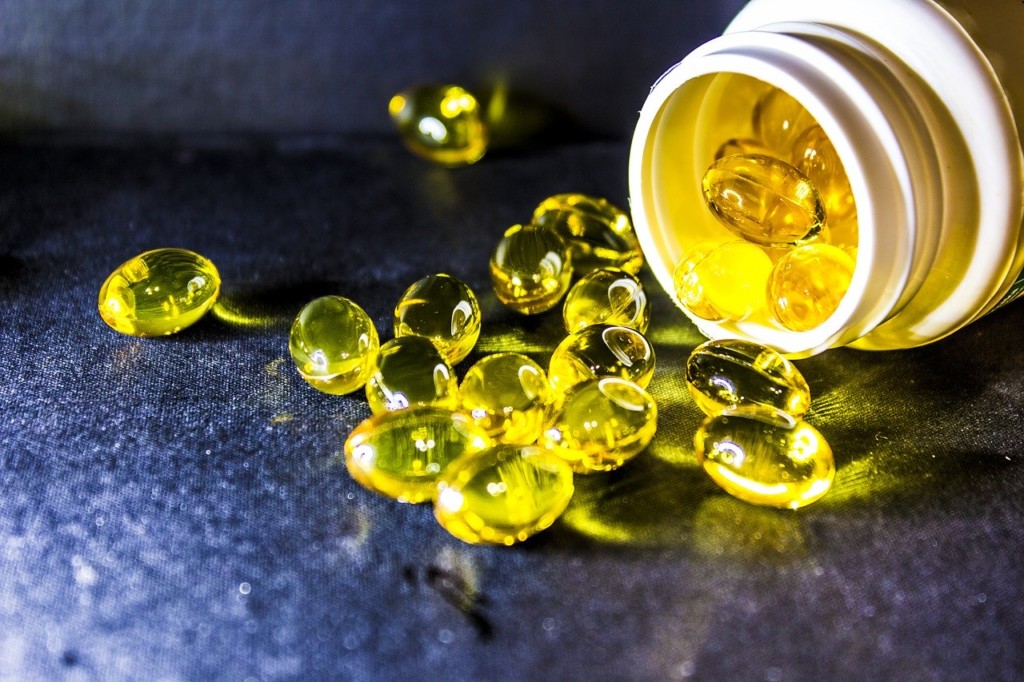
If you had to choose only a few, what would be the essential dietary supplements and food supplements to have? That is the question we will answer in this content from Blooness guide accessible to all.
After sharing with you a keto/low-carb/moderate-carb shopping list, I would now like to share with you The best dietary supplements and nutritional supplements to have in stock, with the aim of stimulating the immune system, hormonal, bone, and brain health, and more generally, to stay healthy for as long as possible.
When it comes to supplements, it's easy to get confused, because beyond the brands, there are many dietary supplements and we no longer know which ones should be chosen as a priority.
The purpose of this content is not to provide an exhaustive list, but only to list the essential to have at home at all times, so that they can supplement each other. most of the year, when needed, and if this need is confirmed by a deficiency identified in medical tests.
As such, you will of course need to check the necessary doses and requirements with your doctor. Finally, in addition to these essentials, depending on each individual, it may be useful to add other supplements, depending on the context, age, deficiencies, etc. But in this article, we are really only talking about choosing the main ones. So if you had to choose just a few dietary supplements, these would probably be the ones.
This content is part of the guide Blooness, the guide to the ideal human diet, the summary of which you can find here 🌱🥑
This list may change as new discoveries are made and scientific research progresses.
As a reminder, it should of course be noted that these supplements are neither medicine nor antidotes., and that they cannot in any way protect you from anything or replace any medicine.. Nevertheless, a supplementation with vitamins and minerals can only be beneficial, at least as a preventive measure when necessary. But to achieve this, you need to make the right choices and, above all, avoid rushing to buy multivitamins that are full of useless ingredients, poorly dosed, and sometimes counterproductive. As such, you will find here the Blooness comparison of the best multivitamins on the market.
To choose which supplements to prioritize having at home, I based my work on scientific literature., in order to highlight the supplements most likely to put the odds in your favor.
Some pessimists will say that there are no foods or molecules capable of «hacking» the body to make it more efficient and resistant. However, the statistical reality is clear: certain populations with greater or lesser exposure to the sun, and with very specific lifestyles and diets, present much more encouraging health data than other populations.
In addition, there are a number of scientific studies that have focused specifically on certain molecules, hormones, and nutrients that may have very good results on certain diseases.
So I did the usual summary work and wrote a kind of ultimate list of supplements to take when our body is particularly vulnerable to illnesses such as the flu, or to stress, for example. Feel free to add your suggestions in the comments section!
Vitamin D
Whether you choose a low-carb, high-fat dietor not, the vitamin D is one of the most IMPORTANT vitamins. In fact, it is more like a hormone than a vitamin. vitamin, and it is a hormone that is naturally secreted when exposed to sunlight, or when consuming foods naturally rich in vitamin D, such as fatty fish, mushrooms, eggs, but also the liver of certain marine animals or cod liver oil.
So you understand the current problem: our modern lifestyles generally confine us indoors most of the time, with little exposure to sunlight, and we have few opportunities to consume offal seafood, cod liver oil, or small oily fish.
As a result, most people around the world are deficient in vitamin D, which could explain the many lifestyle diseases that have increased over the past 60 years. From an evolutionary perspective, humans were able to evolve along coastlines, where they were mostly exposed to the sun, which is much less the case today.
Therefore, if there is one supplement that can reduce fatigue, strengthen the immune system, and improve bone health, it is definitely vitamin D. Especially during the winter months, when we are particularly deficient in vitamin D.
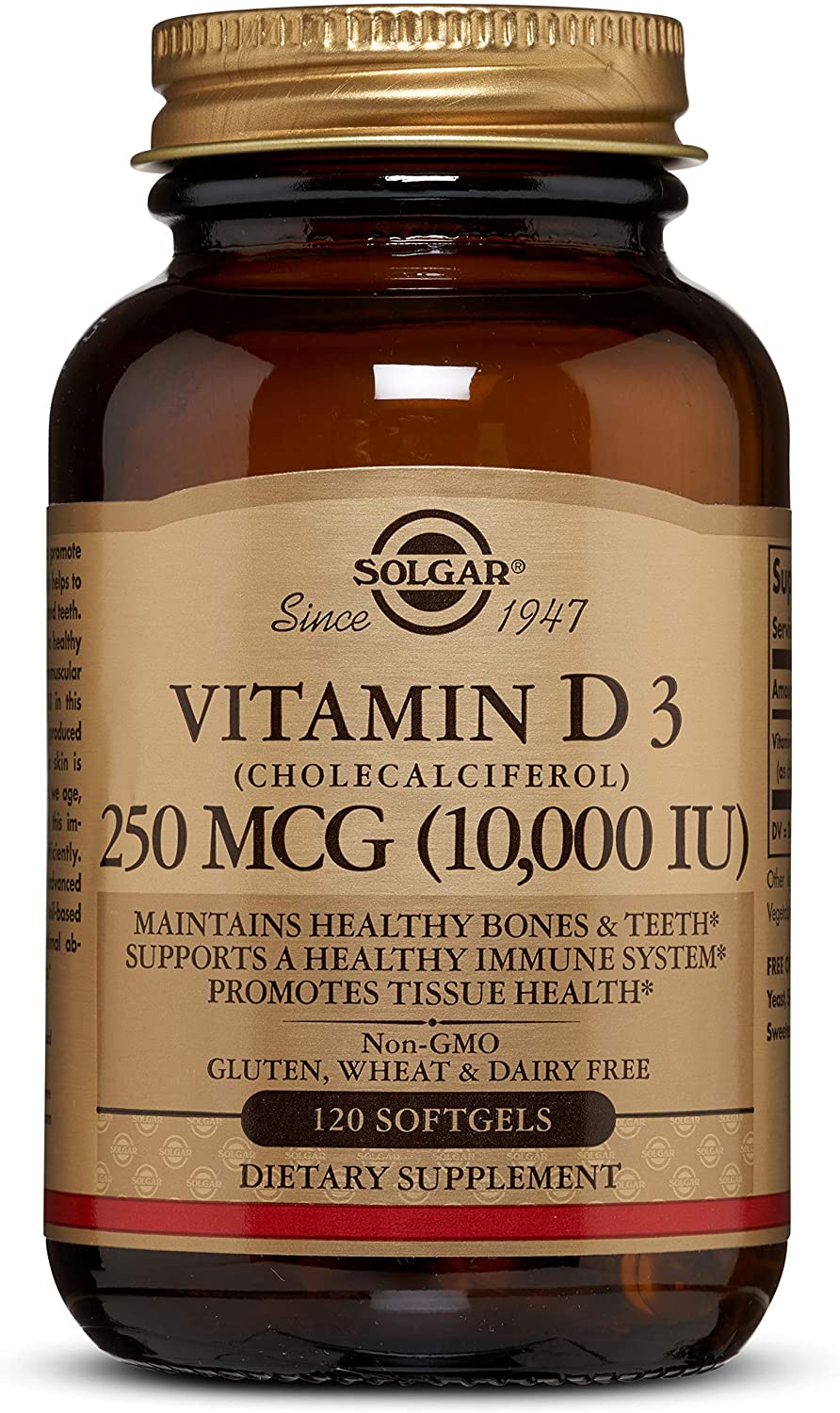
In the specific case of the immune system, although things are not always so simple, and although the organism is a very complex machine, there is a consensus that T lymphocytes, responsible for killing bacteria and viruses, must first find circulating vitamin D and bind it to a receptor in order to initiate their defense process. This applies to influenza and ENT infections.tuberculosis and wounds and scars to treat.
In fact, scientific literature reports that a lack of vitamin D is associated with an increased risk of viral infections. In France today, 80% of French people lack vitamin D, a figure that can rise to 91% in winter!
In the diet, vitamin D is found in the key ingredients in a low-carb diet, including cod liver oil, fatty fish (salmon, herring, anchovies), egg yolks, etc. The problem is that only sufficient exposure to sunlight or supplementation can meet your total vitamin D requirements in winter. This is especially true if you are genetically descended from peoples who could be considered «resistant» to vitamin D (generally peoples who have been exposed to sunlight throughout their evolutionary history).
As we saw in the chapter dedicated to Vitamin DOfficial recommendations estimate the daily requirement of vitamin D 800 I.U. per day. However, the champions of the new wave of nutrition go far beyond these recommendations. For example, Vitamin D specialists John Cannell and Bruce Hollis estimate that levels should be between 55 and 70 ng/mL at all times.
On this basis, a formula was developed75 IU per kg of body weight, i.e. :
75 IU * body weight = recommended vitamin D dosage
In other words, a healthy adult weighing around 75 kg would need to supplement his or her vitamin D intake in winter with 75 * 75 =. Approximately 5,625 IU per day.
The easiest way to adapt your vitamin Dis to supplement your diet with vitamin D in drops, so you can make the right dosage. Alternatively, you can opt for a capsule product with the approximate dosage you need: here, 2 to 3 tablets a day in the morning will suffice to meet the needs of an adult weighing between 65 and 80 kg..
As a reminder, the vitamin D is a fat-soluble vitamin, which can be stored by the body before being released. Once the crisis period is over, or simply after the winter season, there's no need to supplement further if you expose yourself to the sun on a fairly regular basis - without, of course, overdoing it.
For my part, I alternate between Solgar vitamin Dand the one from Nutri&Co, and I generally take between 4,000 and 8,000 IU per day during the winter (and none at all in the spring/summer because I am regularly exposed to the sun).

Once you have calculated your requirements, it is important to note that some vitamin D supplements are measured in micrograms (μg), while others are measured in International Units. If you need to convert between the two, I have created a automatic converter on Blooness, which you can find here.
Omega-3 fatty acids
As we saw in the chapter dedicated to the ideal balance between omega-3, omega-6, and omega-9We are deficient in omega-3s in the modern Western diet.
According to ANSES (Agence nationale de sécurité sanitaire de l'alimentation, de l'environnement et du travail), the proportion of omega-3 / omega-6 in the French diet is around 1/20 in favor of omega-6. According to some studies, this may be as high as 1/30. And yet, the ideal ratio should be around 1/4, according to several studies.
And for good reason: excessive intake of omega-6 (found in particular in sunflower oil, eggs from intensive farming, meat from intensive farming, etc.) cereals, milk, and cheese) and too low in omega-3 (found in small oily fish, certain fruit seafood and nuts, and vegetables leafy greens) would be detrimental to overall health and could lead to increase in chronic inflammation, and an increased risk of cardiovascular disease, to name just a few of these problems.
The evolutionary hypothesis is once again the same: a large proportion of ancestral peoples may have evolved near the coast and lived off fishing, which could explain their adaptation to omega-3-rich marine products, not to mention the disadvantages of foods produced by human engineering and industry, which have the merit of feeding humans at a lower cost but are likely to cause certain health problems.
So, to summarize, we are simultaneously facing two problems, or even three problems:
- On the one hand, we have too few opportunities to consume foods rich in anti-inflammatory omega-3s that are beneficial to health (once again, small oily fish, to name but one example, which are considered unappealing in terms of taste); ;
- On the other hand, we tend to consume foods that are already sufficiently rich in omega-6, which are—to simplify as much as possible—the antagonists of omega-3, and which therefore sometimes have an overly inflammatory effect for the body's natural needs, even though these foods are natural—such as meat, for example – but whose animals have been fed grain that is too rich in omega-6 rather than grass. ;
- And finally, we tend to consume more processed foods, which are generally enriched with fats omega-6, trans fats, etc., which have a chronic inflammatory effect.
For health and longevity, the challenge is to try to maintain a more or less balanced ratio between omega-3 and omega-6, and we have already explained all this in the content relating to ideal ratio of omega-3 to omega-6, so that there is sufficient inflammation when necessary, particularly for immunity, but in a controlled manner thanks to omega-3, with all the other health benefits that these provide.
Indeed, science has shown that omega-3s have many benefits, including, in the case that concerns us here:
- Reduced inflammatory response for chronic pathologies (polyarthritis, sinusitis, etc.).
- Participation in theProtection of the immune system.
- Better heart health.
- Improved brain function.
- Better vision.
- Better child development.
Whether for bacterial or viral infections, and for longevity in general, omega-3s are therefore extremely important. That is why it is necessary to consume foods rich in omega-3s, in order to compensate for the naturally high intake of omega-6s.
And as things are well done, omega-3s are found in... the flagship foods of the low-carb diet :
- Oily fish: mackerel, salmon, sardines, herring.
- Cod liver.
- Olive and rapeseed oils.
- Linseed oil.
- Lawyer.
- Nuts.
- Flax, chia or hemp seeds.
- Organic eggs (blue-white-heart label if possible).
- Green leafy vegetables.
In addition to foods rich in omega-3, it is also important to keep in mind that the challenge lies in consuming naturally balanced foods, which means eating foods that are not necessarily identified as sources of omega-3, but which have the advantage of not upsetting the balance with an excessive intake of omega-6. The most obvious example is the importance of eating naturally balanced meat, typically grass-fed beef, for example.
As we saw in the chapter on omega-3sThese must be supplied by the diet, since the body is unable to synthesize them on its own, and a deficiency is detrimental to health.
According to official recommendations, we should consume between 0.5 and 1g of omega-3 per day, and they should constitute between 1.3 and 1.9% of caloric intake. However, some scientists from the new school of nutrition recommend consuming 1 to 3 grams of marine omega-3 per dayThis is especially true for occasional sportsmen and women, or for those wishing to strengthen their organism in the face of a health problem.
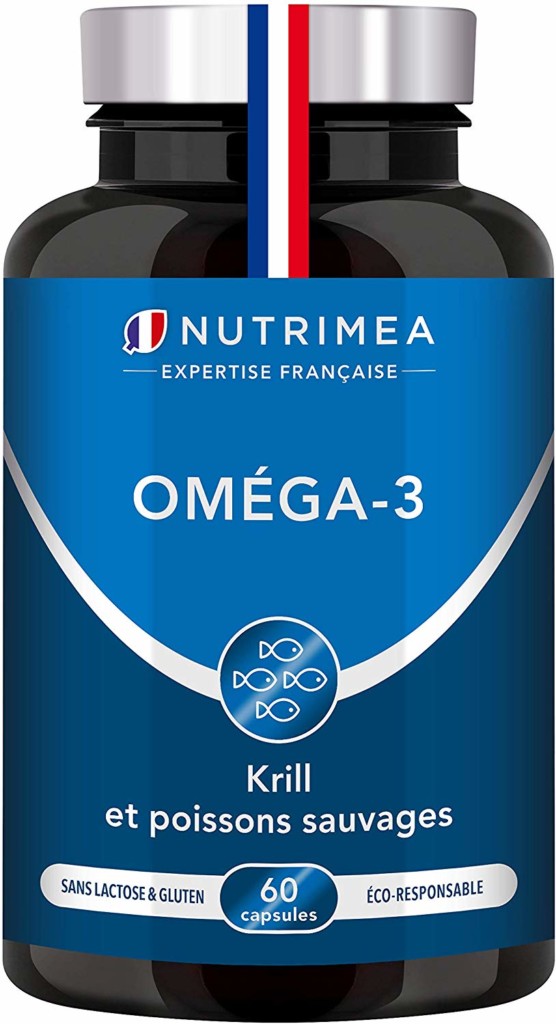
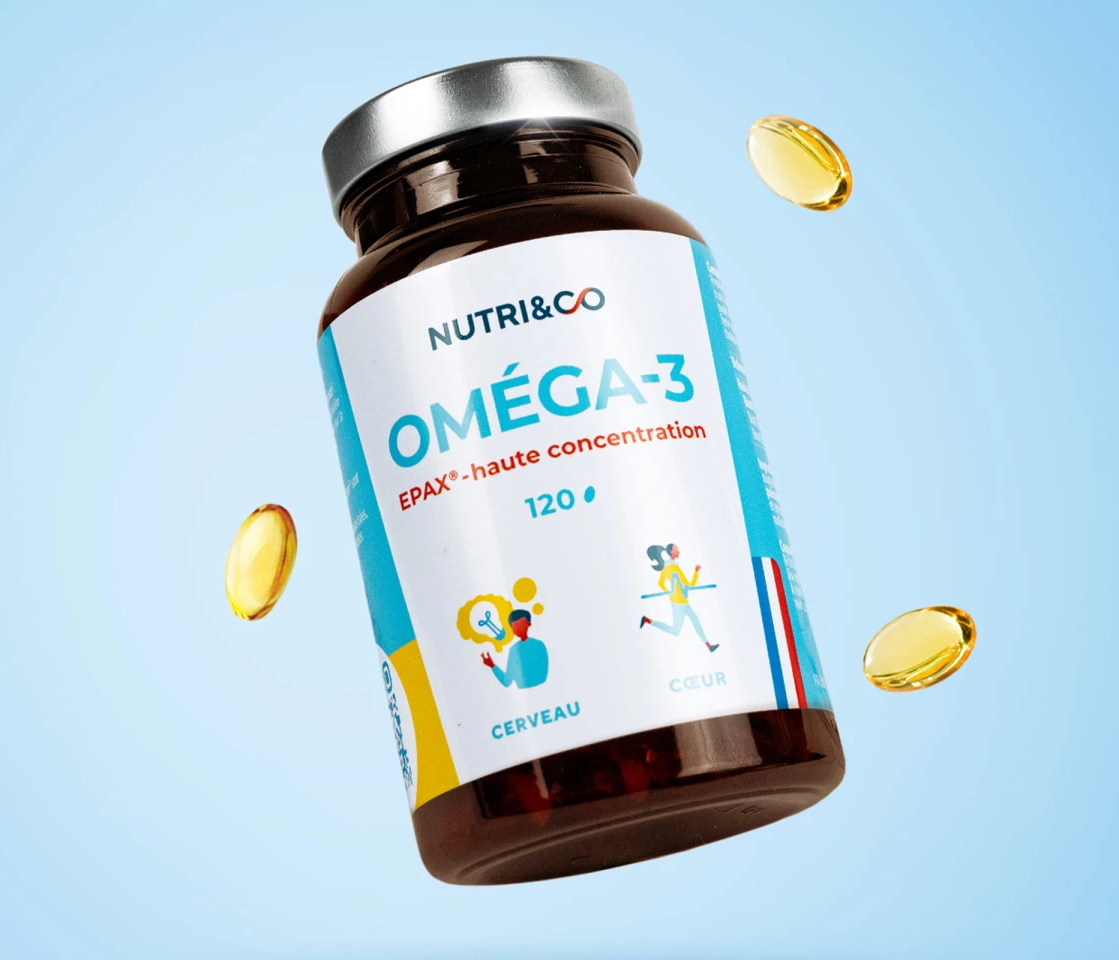
As far as I'm concerned, I alternate between omega-3s from Nutri&Co, those from Solgar but also from Nutrimea. Solgar's omega-3s provide 2.4g with two capsules, which is within the recommended range for optimal health. Last but not least, the best omega-3s on the market seem to be those from UNAE, for objective reasons related to product quality, but I haven't had the opportunity to try them yet.
Magnesium
As a reminder, the magnesium contributes to the proper functioning of the nervous system, helps reduce cortisol, regulates water balance, improves energy metabolism, and has anti-inflammatory properties. It is an absolutely essential electrolyte for the body..
Like omega-3 and vitamin Dmost people are deficient in magnesium, for a host of reasons already mentioned in the chapter devoted to this mineral salt.
Some doctors, nutritionists, and health experts take magnesium supplements themselves, on a personal basis. For an adult weighing around 80kg, the recommended daily intake is around 480mg (from food and supplements combined), and Practitioners of the low-carb diet recommend supplementing with 400mg of magnesium per day, in addition to what is provided by the diet.
And speaking of nutrition, just like the other supplements mentioned here, the magnesium is also predominantly found in low-carb foods that I usually recommend on Blooness: dark chocolate 100%, mackerel, chia seeds, cooked spinach, avocado, Brazil nuts, cabbage, arugula, green vegetables...

Concerning magnesium, I alternate between Magnesium combined from Nutri&Co (presumably the most easily absorbed by the body), and the Magnesium Bisglycinate from Solgar100mg per tablet.
Athletes who have expended a lot of energy during the day usually take between 3 and 5, preferably in the evening because the magnesium relaxes, improving muscle and nerve recovery.
And for occasional athletes, as well as coffee drinkers or people who have an active and sometimes stressful lifestyle, 2 to 4 tablets in the evening should suffice, especially if you've stocked up on green vegetables., as I recommended in the list of foods to include in a low-carb diet.
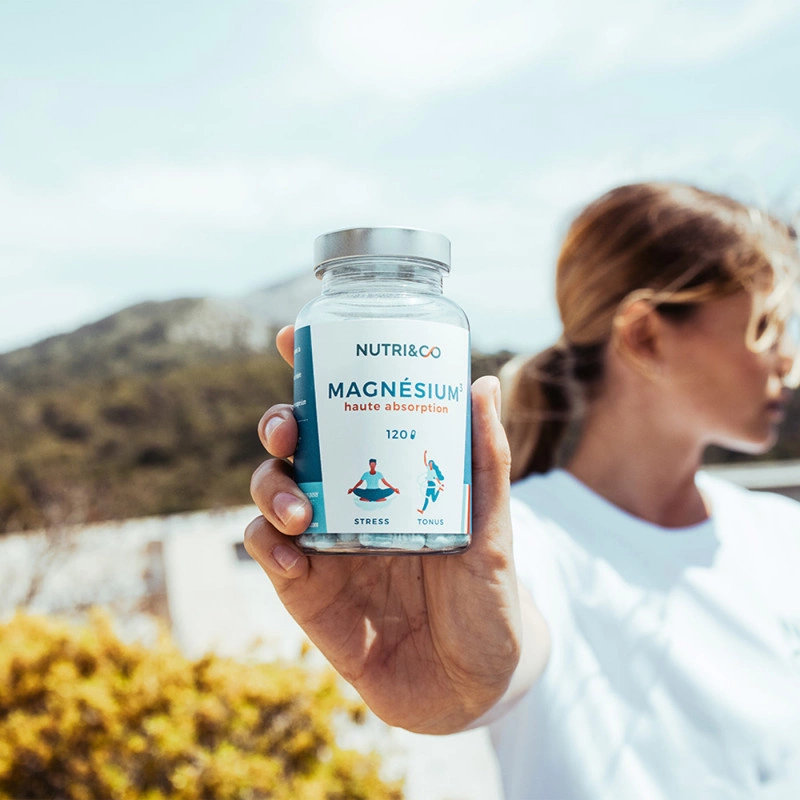
Please note, I strongly recommend the forms mentioned above, because, as we saw in the section on magnesium, there are forms on the market that are not easily absorbed by the body.
Selenium and Zinc
The combination of selenium and zinc is a good supplement because these two micronutrients are complementary and work synergistically.
In a nutshell zinc is involved in the production of prostaglandins, which have an anti-inflammatory effect, and stabilizes a number of hormones (thymulin, which is essential for growth, and insulin, for glucose storage), and has a significant effect on the immune system.
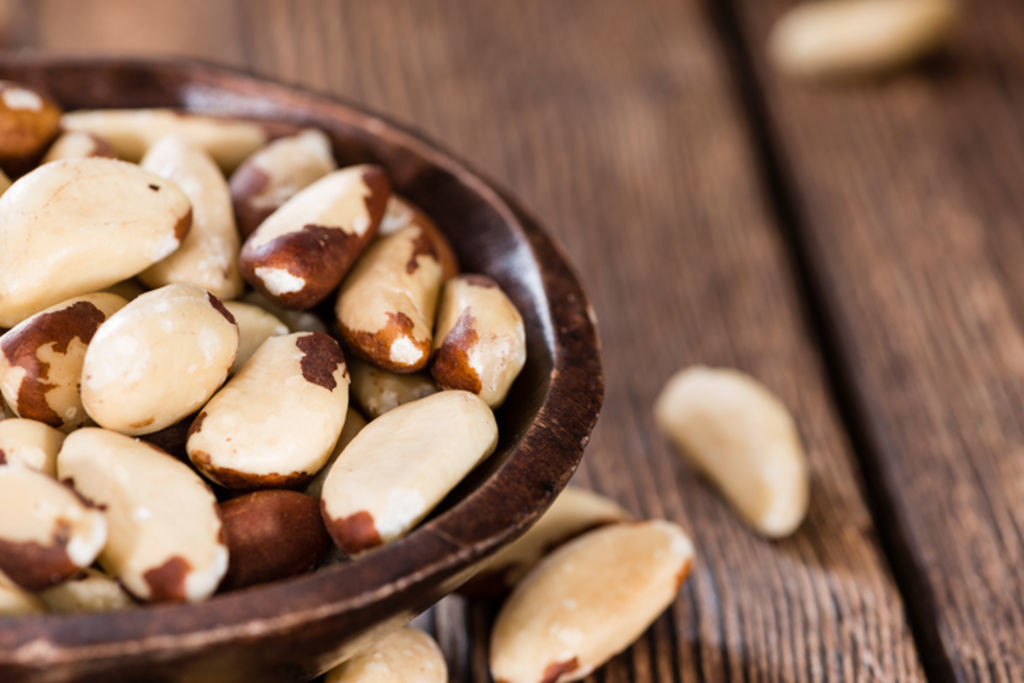
Visit seleniumis also an essential trace element, helping to defend the body against free radicals by protecting cell membranes. It also plays a key hormonal role, helping to regulate thyroid hormones and spermatogenesis. In addition, it helps fight inflammation and even certain viral infections, notably by stimulating immunity.
But be careful not to abuse this supplement.
As far as I'm concerned, I chose the product from Pharma Nord, which also contains vitamin C, always good to take.
Checklist
Here is a simplified checklist of the supplements mentioned here and their effects on the body.
- Vitamin D: bone and muscle health (absorption of calcium), immunity, reduced inflammation, mood, and energy... often deficient due to lack of sun exposure and low dietary intake (fatty fish, eggs).
- Omega-3: anti-inflammatory, brain and cognitive health, cell membranes, insulin sensitivity, heart. Often deficient due to underconsumption of fatty fish and excess omega-6 in the modern diet.
- Magnesium: energy metabolism, muscle recovery, stress reduction, sleep, nerve function. Often deficient due to soil depletion, chronic stress, coffee/alcohol consumption, and restrictive diets.
- Selenium: antioxidant, thyroid function (hormone conversion), immunity, spermatogenesis, and fertility... often deficient depending on the region (soils low in selenium), especially if there is low consumption of Brazil nuts or seafood.
- Zinc : metabolism, immunity, skin and hair health, wound healing... found in foods that most people no longer consume much (seafood, organ meats, red meat, seeds), so deficiencies are quite common.
Conclusion and additional supplements
These additions may not be suitable for everyone, and some may find fault with them. But in general, a combination of magnesium, vitamin D, zinc, selenium, and possibly vitamin C should not harm the body, provided that, depending on the state of health, there are obviously no contraindications to this supplementation. Finally, omega-3s, which are sorely lacking, are highly recommended.
Other supplements such as collagen or ashwagandha can also help. In addition, for broader and more convenient coverage, it is a good idea to add a high-quality multivitamin (The one from Nutri&Co, ‘Le Multi,’ is excellent: bioactive forms, without iron or copper.).
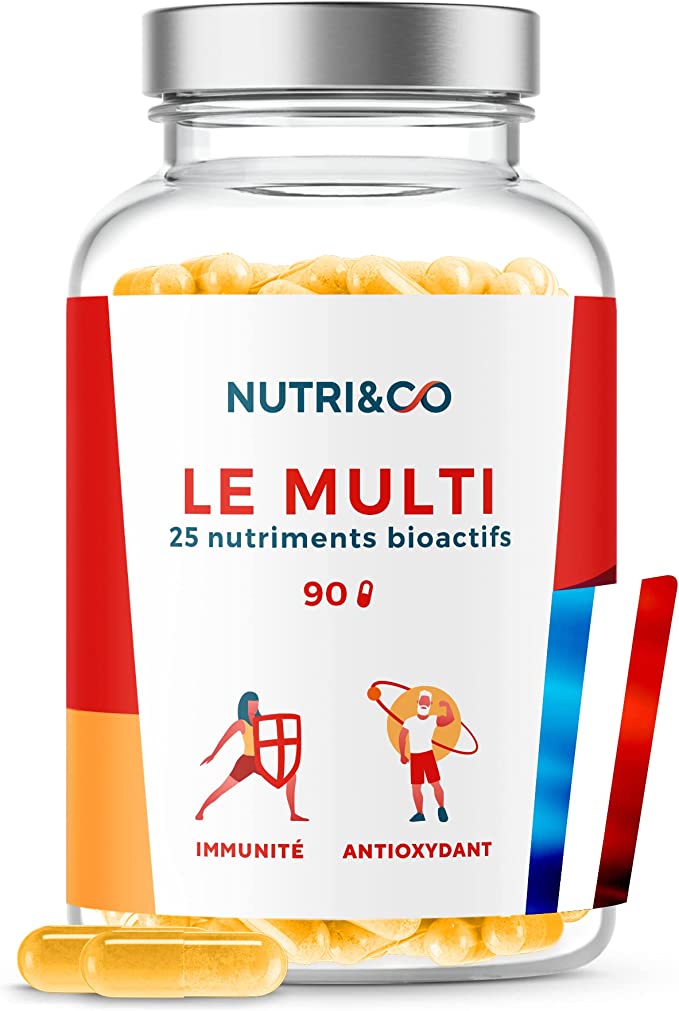
It already contains zinc and selenium in physiological doses, as well as part of your vitamin D (1000 IU) and magnesium (150 mg) requirements. You can therefore remove (or reduce) the separate zinc and selenium supplements to avoid excessive accumulation if you are already taking the multivitamin.
For vitamin D and magnesium, there is no major risk of overdose if you combine multivitamins with magnesium and vitamin D, provided your doses remain reasonable. However, monitor your levels through blood tests and always consult a doctor or check your blood levels before adjusting your dosage!
In addition, if you have opted for a low or moderate diet in carbohydrateswith healthy, unprocessed foods, I also suggest that you consume more salt than usual (Himalayan salt, Guérande salt, or other natural salt) to avoid sodium deficiency., for the reasons given in the section on the importance of sodium in low-carb diets.
It is also possible to supplement with electrolytes, which are mixtures of sodium, potassium, calcium, and magnesium, especially when dieting keto, in order to compensate for mineral loss. Otherwise, consume bone broth and naturally fatty, gelatinous meats on a regular basis.
Finally, other supplements may be useful depending on the situation: iodine (for the thyroid), K2 (very useful with vitamin D), boron, alpha-lipoic acid, and hydroxycitrate (which we mentioned in relation to anti-cancer metabolic treatments), or Co-Enzyme Q10, but these supplements are more specialized and we will have the opportunity to discuss them separately in the Blooness Guide.
I hope I have enlightened you, and I wish you all good health and a long and happy life!
New: Blooness Accelerated Programs
For quick results if you are looking for
lose fat permanently,
maintain stable energy levels throughout the day,
and prevent chronic diseases.
Immediate access to the Premium Guide + all current and future programs
Limited founding rate – will soon increase to €97
 EN
EN  FR
FR  ES
ES  ZH
ZH  PT
PT